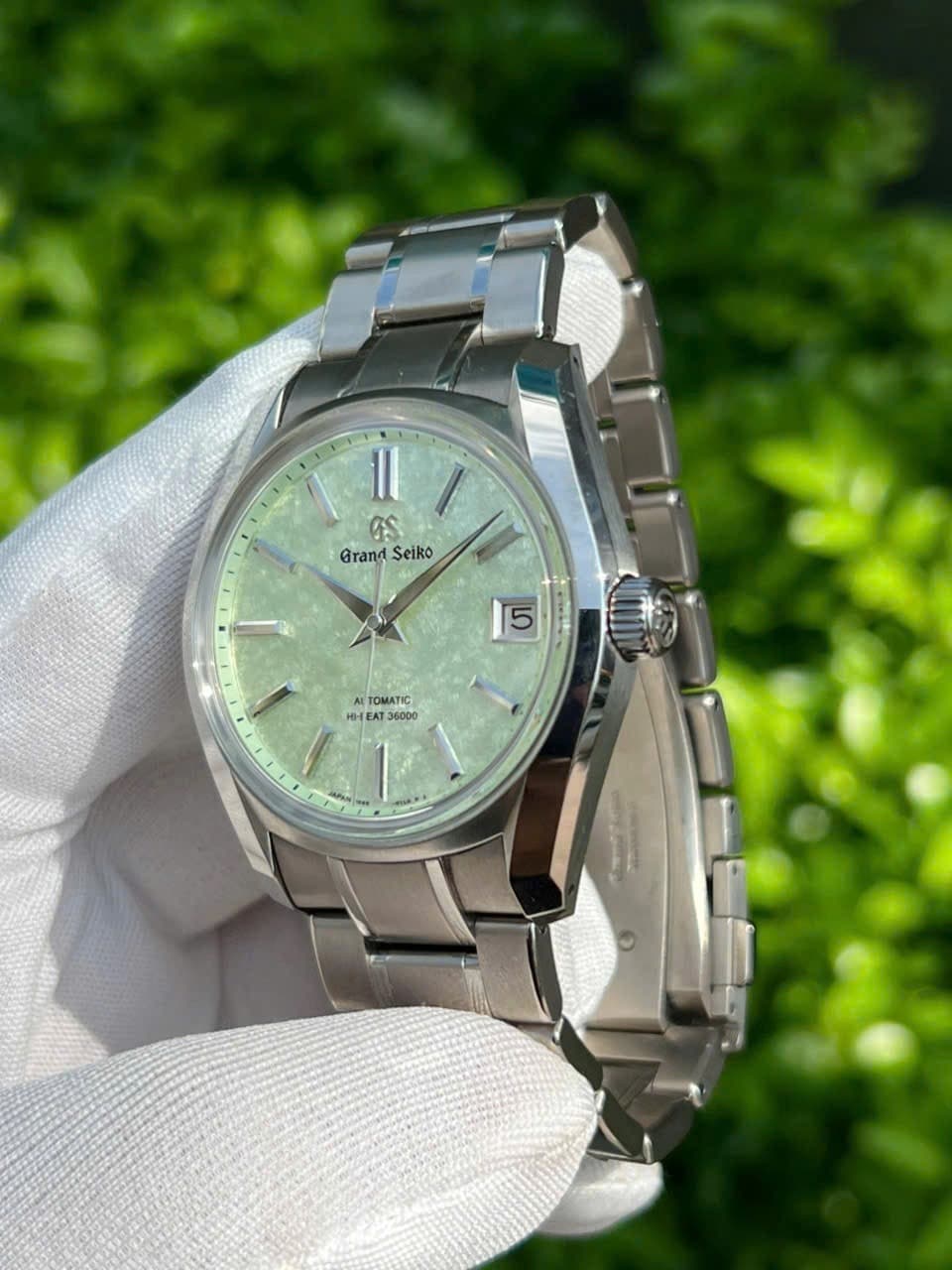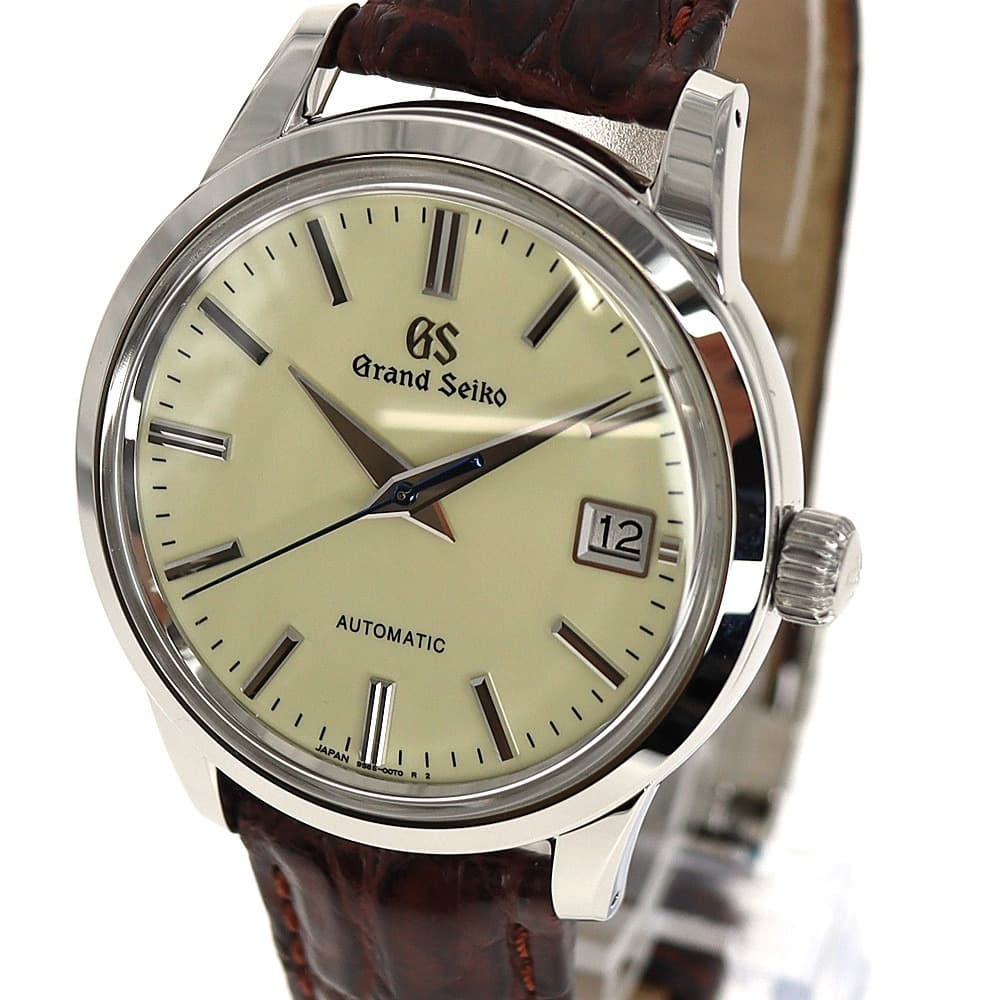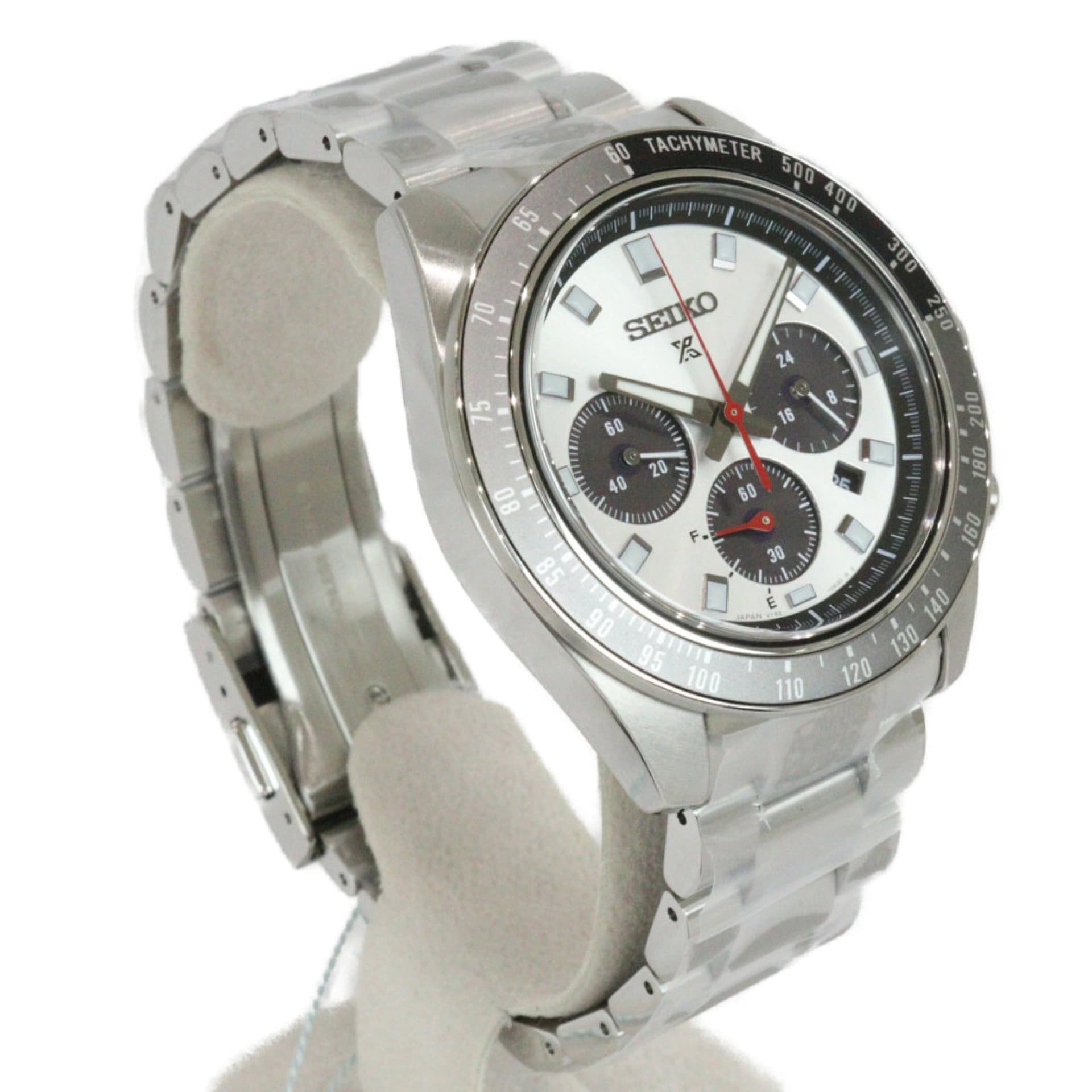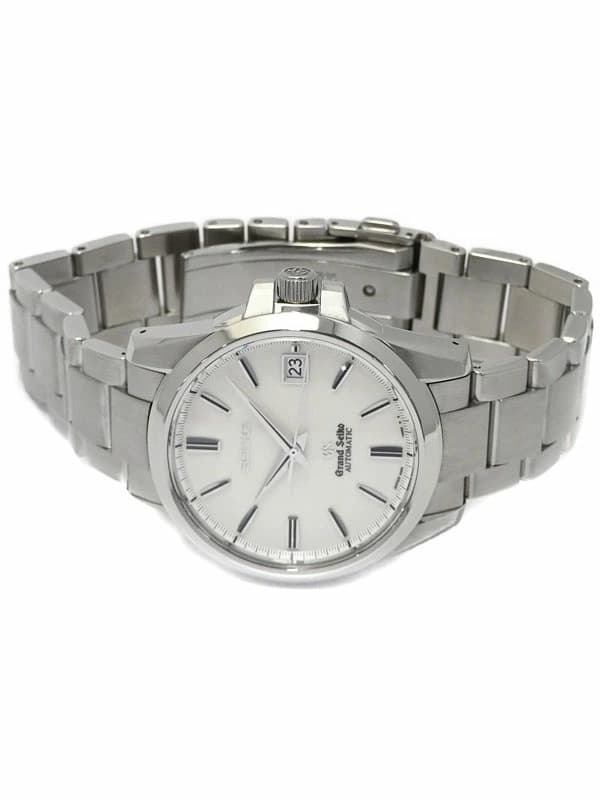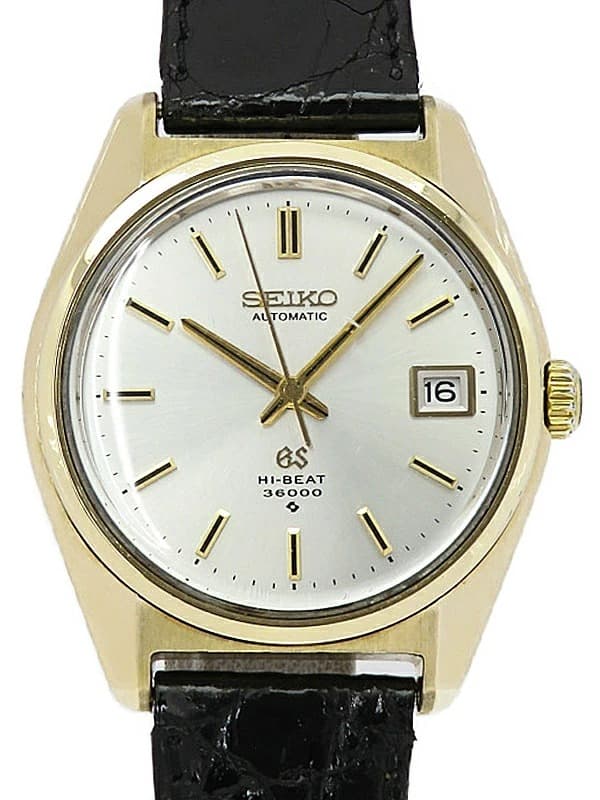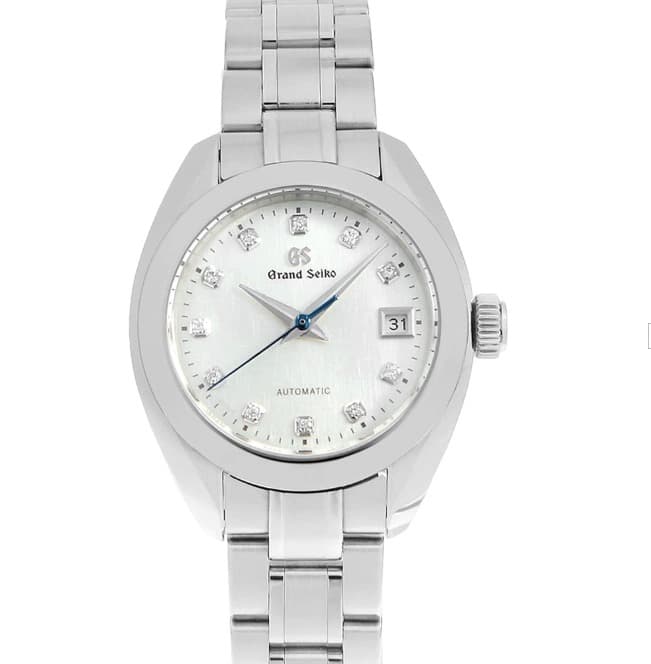
- The Grand Seiko Tentagraph epitomizes a synthesis of horological precision and technical innovation within the chronograph segment.
- Its mechanical movement employs a unique column wheel and vertical clutch system enhancing chronograph activation and reset accuracy.
- The Tentagraph's design embodies the Japanese philosophy of zaratsu polishing, rendering superior surface finishing and legibility.
- Advanced metallurgy and movement architecture optimize durability, power reserve, and shock resistance in dynamic environments.
The Grand Seiko Tentagraph represents a significant advancement in the realm of mechanical chronographs, integrating refined engineering concepts with meticulous craftsmanship. By harnessing an innovative movement structure within a robust yet aesthetically rigorous framework, it challenges long-standing chronograph standards. This editorial evaluates the technical attributes, material sciences, and design principles underpinning the Tentagraph, contextualizing its role within the global horological industry. The analysis emphasizes the mechanical architecture, finishing methodologies, and material innovations that collectively yield a timepiece of remarkable precision and durability.
Mechanical Architecture: Engineering Chronograph Precision
Column Wheel and Vertical Clutch Mechanism
At the heart of the Tentagraph lies a sophisticated mechanical movement that integrates a column wheel mechanism for precise chronograph operation. Typically deployed in high-grade chronographs, the column wheel orchestrates the start, stop, and reset commands, ensuring minimal mechanical lag and tactile feedback consistency. Complementing this is the vertical clutch system, which mitigates the common stutter observed in cam-lever chronographs by engaging the chronograph seconds hand with the gear train vertically. This dual mechanism reduces wear and enhances accuracy during chronograph manipulation, a critical factor for timing events with sub-second resolution.
Oscillator and Regulation System
The oscillator assembly of the Tentagraph is governed by a high-frequency balance wheel equipped with an innovative hairspring configuration aimed at optimizing isochronism. The hairspring's geometry, combined with a free-sprung balance, enables enhanced positional accuracy and mitigates errors induced by gravitational variance. This precision is essential in chronographs, wherein split-second measurements demand mechanical stability over extended periods. The escapement employed further refines energy transmission, contributing to consistent amplitude and timekeeping rigidity.
Material Science and Finishing Techniques
Zaratsu Polishing: Surface Excellence and Legibility
The aesthetic appeal and optical clarity of the Tentagraph derive substantially from the application of traditional Japanese zaratsu polishing techniques. This meticulous method employs a specialized leveling process that produces distortion-free mirror surfaces on the case and dial components. The resultant finish amplifies legibility under varying light conditions by minimizing reflective distortion, a critical feature for chronographs designed for functional usage. The zaratsu process demands exacting manual skill and stringent quality control, resulting in a finish that meets both aesthetic and ergonomic benchmarks.
Advanced Metallurgy in Component Fabrication
Material selection within the Tentagraph's movement and case construction reflects extensive research into alloys exhibiting superior hardness, corrosion resistance, and shock absorption. Components such as the mainspring and gear trains utilize proprietary materials engineered for fatigue resistance, ensuring longevity despite the dynamic loads imparted through chronograph actuation. The case employs stainless steel treated for enhanced surface hardness without compromising malleability necessary for intricate shaping. Collectively, these metallurgical choices optimize durability while maintaining wearer comfort and mechanical functionality.
Functional Attributes and Industry Positioning
Power Reserve Optimization and User Interface
The Tentagraph offers an extended power reserve exceeding conventional chronograph standards, achieved via an enhanced mainspring barrel design and optimized energy transmission. This extended autonomy ensures the timepiece remains operational for extended durations without necessitating frequent rewinding. Its user interface, encompassing pushers and crown ergonomics, is engineered for intuitive operation with minimal finger fatigue, enabling precise actuation. These design elements position the Tentagraph favorably among circle chronograph users seeking reliability combined with functional ease.
Comparative Industry Analysis
Within the contemporary chronograph market, the Tentagraph distinguishes itself by harmonizing traditional mechanical principles with incremental technological enhancements. While many manufacturers experiment with electronic or hybrid chronographs, this model underscores the sustained relevance of purely mechanical configurations elevated through nuanced engineering. Its balance of finishing artistry and mechanical innovation situates the Tentagraph within the premium segment, appealing to connoisseurs requiring precision timing alongside classical craftsmanship. Current industry trends indicate a resurgence in appreciation for mechanical complexity, suggesting strategic alignment between the Tentagraph's attributes and market demands.
Expert Analysis & FAQ
What distinguishes the Grand Seiko Tentagraph's movement architecture from conventional chronographs?
The Tentagraph's movement employs a dual system incorporating a column wheel and vertical clutch, which is uncommon in many mass-produced chronographs that rely on cam-lever systems. This dual setup facilitates smoother chronograph engagement and reset actions, reducing mechanical wear and ensuring greater accuracy in timing operations. Moreover, the integration with a finely-tuned oscillator and hairspring enhances timekeeping stability in varied positions, contributing to overall precision.
How does the zaratsu polishing technique impact both aesthetics and functional performance?
Zaratsu polishing results in ultra-flat, mirror-like surfaces devoid of distortion, thereby enhancing both visual appeal and dial legibility. Functionally, this minimizes unwanted light reflection and glare, enabling more accurate reading of the chronograph subdials and main time indicators. The technique's strict manual execution also reflects a high level of craftsmanship, signaling quality and enhancing the timepiece's perceived and actual value.
In what ways does material innovation improve the Tentagraph's durability and performance?
The use of proprietary alloys and hardened steel components reduces susceptibility to corrosion and mechanical fatigue, especially critical for parts such as the mainspring and escapement components subject to repetitive stress. These materials also contribute to shock absorption, protecting delicate movement assemblies during physical impacts. As a result, the Tentagraph maintains accuracy and operational integrity over prolonged periods and under diverse wearing conditions.
How does the Tentagraph align with current global horological trends?
Despite the proliferation of quartz and smart chronographs, there is a discernible renaissance favoring mechanical watchmaking that emphasizes artisanal quality and engineering prowess. The Tentagraph exemplifies this resurgence by offering a mechanically complex yet reliable movement coupled with refined finishing. Its positioning appeals to collectors and professionals valuing heritage craftsmanship alongside contemporary technical standards, aligning with global trends that privilege authenticity and precision.